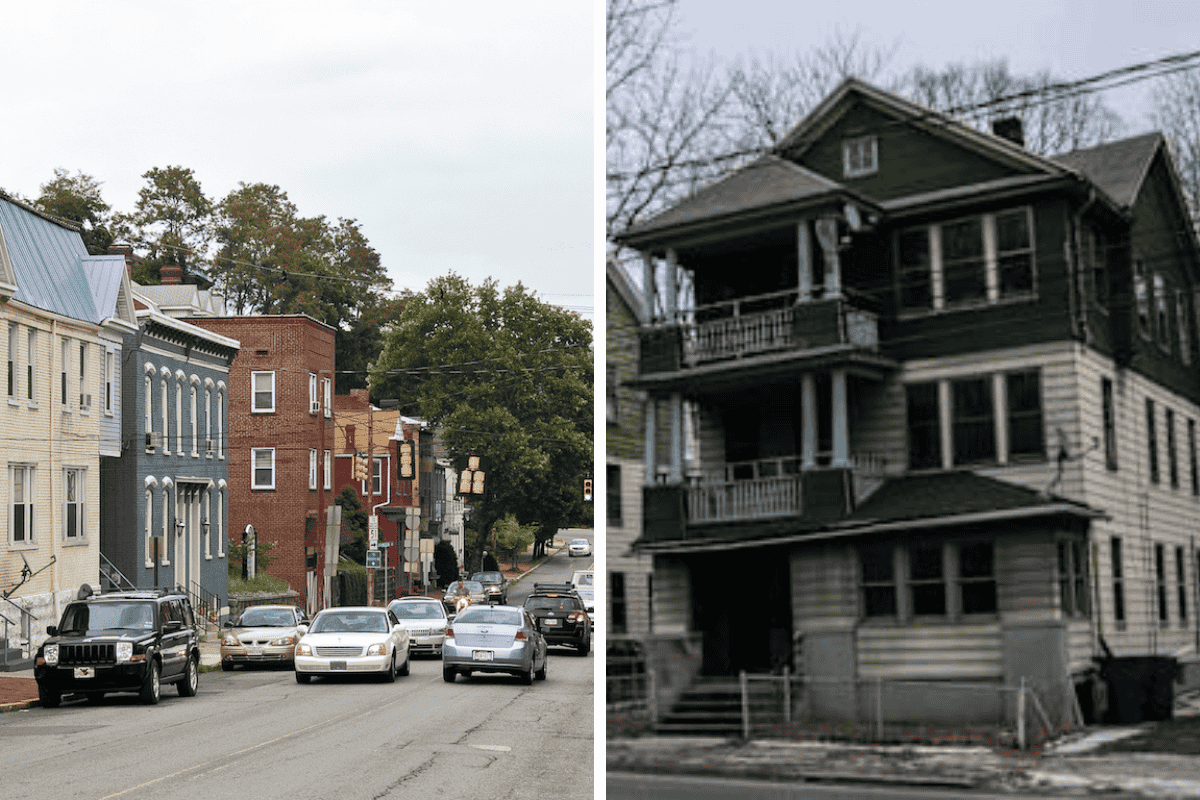
Delaware maintains no statewide rent control in 2026, allowing landlords flexibility in increases but with strict notice and fairness rules. Tenants gain protections against abrupt hikes, retaliation, or discrimination under the Residential Landlord-Tenant Code.
Notice Requirements
Landlords must provide 60 days’ written notice for month-to-month tenancies before any rent increase takes effect. Fixed-term leases prevent mid-term raises unless the agreement explicitly permits it; increases apply only at renewal.

Manufactured home communities require 90 days’ notice, plus justification if exceeding inflation rates via the Delaware Manufactured Home Relocation Authority.
No Caps on Increases
No legal limit exists on raise amounts for standard rentals—landlords base them on market rates or costs. Proposed bills like those limiting hikes to 5% plus CPI averages (unless justified) remain unpassed statewide as of March 2026. Mobile home parks face added scrutiny to curb excessive jumps.
Prohibited Practices
Increases are illegal if retaliatory (e.g., after repair requests or complaints) or discriminatory under Fair Housing laws. Mid-lease hikes without clause violate code; tenants can challenge via courts or withhold acceptance. Wilmington explores local stabilization, but no citywide caps enacted yet.
Tenant Rights and Recourse
Review notices for proper delivery and detail (new amount, effective date); respond in writing if disputing. Negotiate or vacate without penalty during notice period on month-to-month deals. For violations, contact Delaware Division of Consumer Protection or file in Justice of the Peace Court.
Lease Type Comparison
SOURCES:
- https://www.steadily.com/blog/rent-increase-laws-regulations-delaware
- https://ipropertymanagement.com/laws/delaware-rent-increases