
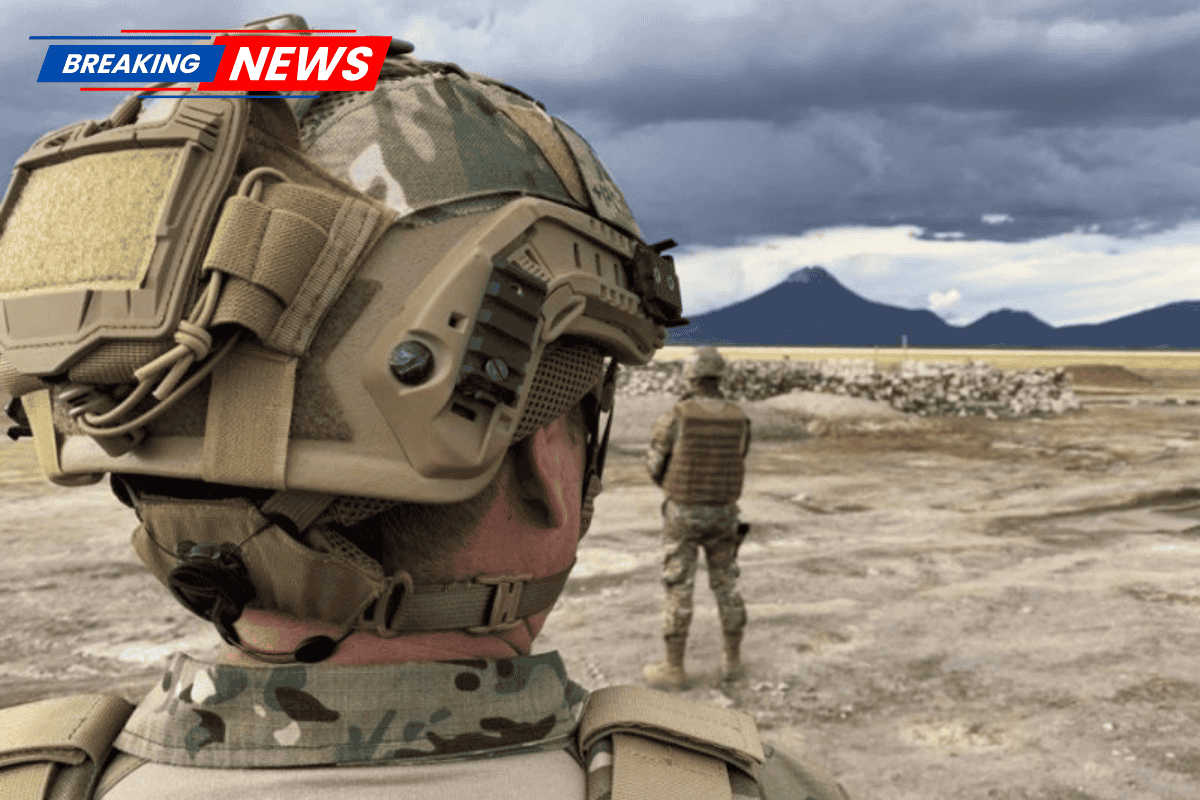
SANTIAGO, Chile — On March 16, 2026, Chile officially began the construction of trenches and security walls at the Chacalluta border crossing with Peru as part of a major security initiative under the newly inaugurated President José Antonio Kast.
The project, named “Escudo Fronterizo” (Border Shield), is designed to address irregular migration and transnational crime by tightening border controls, a key campaign promise made by Kast.
Border Shield Initiative

The Escudo Fronterizo plan is set to extend across the country’s border with both Peru and Bolivia, with the primary goal of controlling migration and curbing criminal activity. The initiative includes the construction of trenches up to 10 feet deep and walls as high as 16 1/2 feet at strategic points along the border, stretching over a potential 323-mile span.
The project will also incorporate surveillance technologies, such as sensors and monitoring systems, to enhance border security.
Construction began Friday, with military personnel and heavy machinery deployed to the Chacalluta area near Arica, Chile’s northernmost city. The security plan is part of President Kast’s commitment to restore law and order at the borders, particularly as Chile faces increasing irregular migration.
Aimed at Addressing Security Crisis

In an official statement, Defense Minister Fernando Barros emphasized that the plan is not aimed at militarizing the border but instead at creating efficient and modern systems that ensure controlled entry into the country.
“The idea is not to militarize, but to establish modern, efficient systems that allow for peace of mind,” Barros explained to La Tercera newspaper.
The government views the rise in irregular migration as a security crisis and has framed the project as a necessary response to criminal activities along the border, including smuggling and trafficking.
Expanding to Bolivia’s Border

In a parallel effort, Chilean authorities also began the construction of trenches and security barriers at Colchane, a town along the Bolivian border. The region has been a hotspot for smuggling, particularly of vehicles, with an estimated 120,000 stolen or undocumented vehicles entering Bolivia from northern Chile each year.
These criminal gangs use clandestine routes to avoid detection by both Chilean and Bolivian authorities.
Chilean lawmaker Sebastián Videla commented on the situation, stating that the border measures aim to strengthen control in an area rife with criminal activity, including the illegal transfer of vehicles.
“It is a place where criminal gangs operate, taking vehicles from Chile to Bolivia. We believe closing unauthorized crossings is a good measure,” Videla said.
Economic Impact of Smuggling
The widespread issue of smuggling in Bolivia has also taken a toll on the local economy. The Bolivian National Chamber of Industries estimates that the smuggling economy has generated over $26 billion in the last decade, growing at a pace that outstrips Bolivia’s formal economy.
This has prompted both Bolivian and Chilean officials to ramp up efforts to block illicit trade and increase border enforcement.
Kast’s Security Agenda
Since assuming office, President José Antonio Kast has described his government as an “emergency government,” underlining the country’s urgent need to address security concerns, particularly in the face of mounting criminal challenges and economic instability.
The Escudo Fronterizo project is one of several measures Kast’s administration is implementing to restore order and tackle criminal activities along the borders with Peru and Bolivia.
As the Escudo Fronterizo initiative moves forward, Chile faces significant challenges in managing irregular migration and cross-border crime.
While the construction of physical barriers is underway, the long-term success of the plan will depend on the effectiveness of new surveillance systems and the collaboration between Chilean and Bolivian authorities to tackle smuggling and illegal trade.










‘Disgusting.’ Democratic senator condemns Donald Trump’s reaction to Mueller’s death