
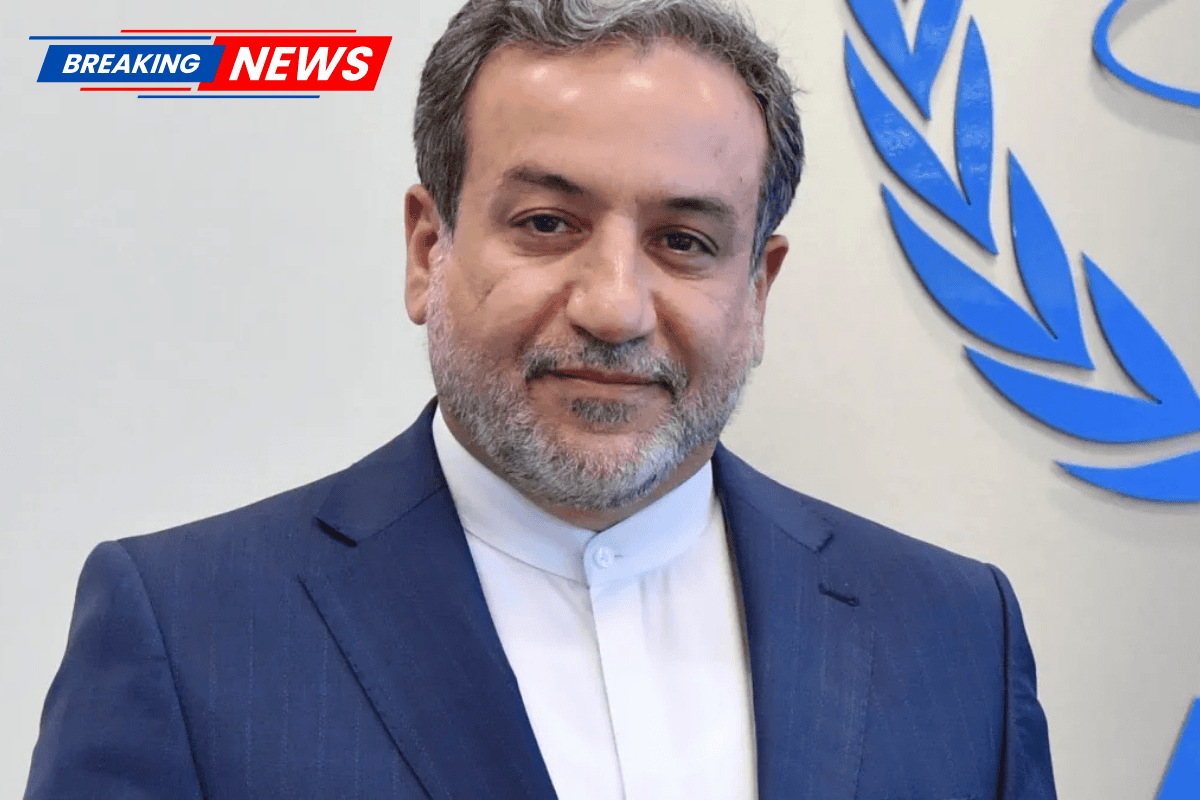
Iran’s foreign minister, Seyed Abbas Araghchi, has issued a dire warning to Americans regarding the Pentagon’s reported $200 billion budget request for the ongoing conflict with Iran.
Araghchi took to X (formerly Twitter) to claim that this figure is just the “tip of the iceberg” and that a looming “trillion-dollar ‘Israel First tax” is coming for the U.S. economy.
Araghchi’s Statement on U.S. War Costs
Araghchi’s comments on X referred to the Pentagon’s $200 billion request to Congress to fund military operations in the Middle East, specifically focused on the Iran conflict.
The $200 billion would cover an escalation in the production of weapons and the continued U.S. and Israeli airstrikes against Iran’s military infrastructure. The request comes as tensions between the U.S. and Iran escalate, and the costs of the airstrike campaigns increase.
In his post, Araghchi said, “This $200b is the tip of the iceberg. Ordinary Americans can thank Benjamin Netanyahu and his lackeys in Congress for the trillion-dollar ‘Israel First tax’ that’s about to hit the U.S. economy.”

This marks a sharp critique of U.S. financial support for Israel amidst the ongoing war with Iran, which has sparked debate over how much the American economy is contributing to the Israeli state’s military operations.
The Potential for U.S. Ground Troops and Escalation
As the war between Iran and the U.S. continues to intensify, reports have emerged that President Donald Trump is considering deploying U.S. ground troops to the Middle East.
The main mission for these potential ground forces would be to ensure the safe passage of oil tankers through the Strait of Hormuz, a key shipping route for global oil. Sources have suggested that Trump’s administration is considering sending U.S. troops to Iran’s Kharg Island, which handles 90% of the country’s oil exports.

This potential deployment would not be without risks. Iran’s capability to strike with missiles and drones has made securing Kharg Island a difficult and dangerous operation.
Trump’s government is exploring options to use ground forces to secure the Strait of Hormuz and ensure the free flow of oil, which is seen as a vital mission for U.S. interests in the region.
Trump’s Aggressive Posture Towards Iran and NATO
President Trump has been outspoken about his strategy for dealing with the Iranian regime, calling for the complete dismantling of Iran’s “terror state.”
In recent comments on social media, Trump stated, “I wonder what would happen if we ‘finished off’ what’s left of the Iranian Terror State, and let the Countries that use it, we don’t, be responsible for the so-called ‘Straight?’ That would get some of our non-responsive ‘Allies’ in gear, and fast!!!”
This statement reflects Trump’s aggressive approach toward not only Iran but also his NATO allies. Trump has repeatedly criticized NATO for not offering enough support for the U.S. military’s operations in the Middle East.
He has labeled the alliance a “one-way street,” saying that while the U.S. protects NATO members, they have failed to help the U.S. in its time of need.
Escalating Tensions and the Financial Impact
The combination of Iran’s foreign minister’s warnings about the financial costs of the war and Trump’s increasingly aggressive stance on both Iran and NATO points to a conflict that shows no signs of de-escalating.
As the U.S. continues to pour military resources into the war with Iran, many experts warn of a potentially massive financial burden for the American economy, especially if the war expands further.
The financial implications of Operation Epic Fury and the potential for increased U.S. troop deployments are only the beginning of what could become a long-term conflict with devastating costs.










‘Disgusting.’ Democratic senator condemns Donald Trump’s reaction to Mueller’s death