
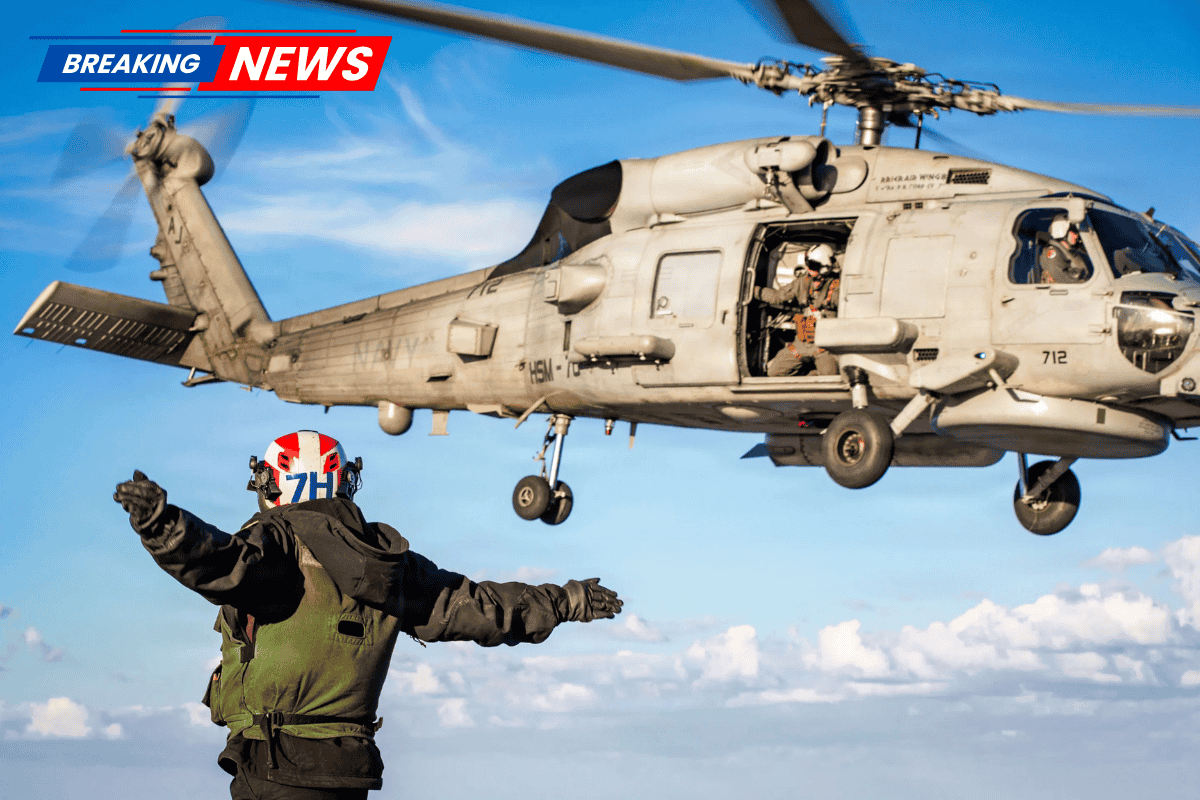
President Donald Trump has called on NATO to assist in clearing the Strait of Hormuz, following a tense two-week period of escalating conflict between the U.S., Israel, and Iran. The strait, which is crucial for global oil trade, has been partially blocked by Iran as tensions in the Persian Gulf intensify.
Trump’s remarks came after Iran’s continued threats against commercial shipping, which have sent oil prices soaring and raised concerns about a wider regional conflict.
NATO’s Role in Securing the Strait
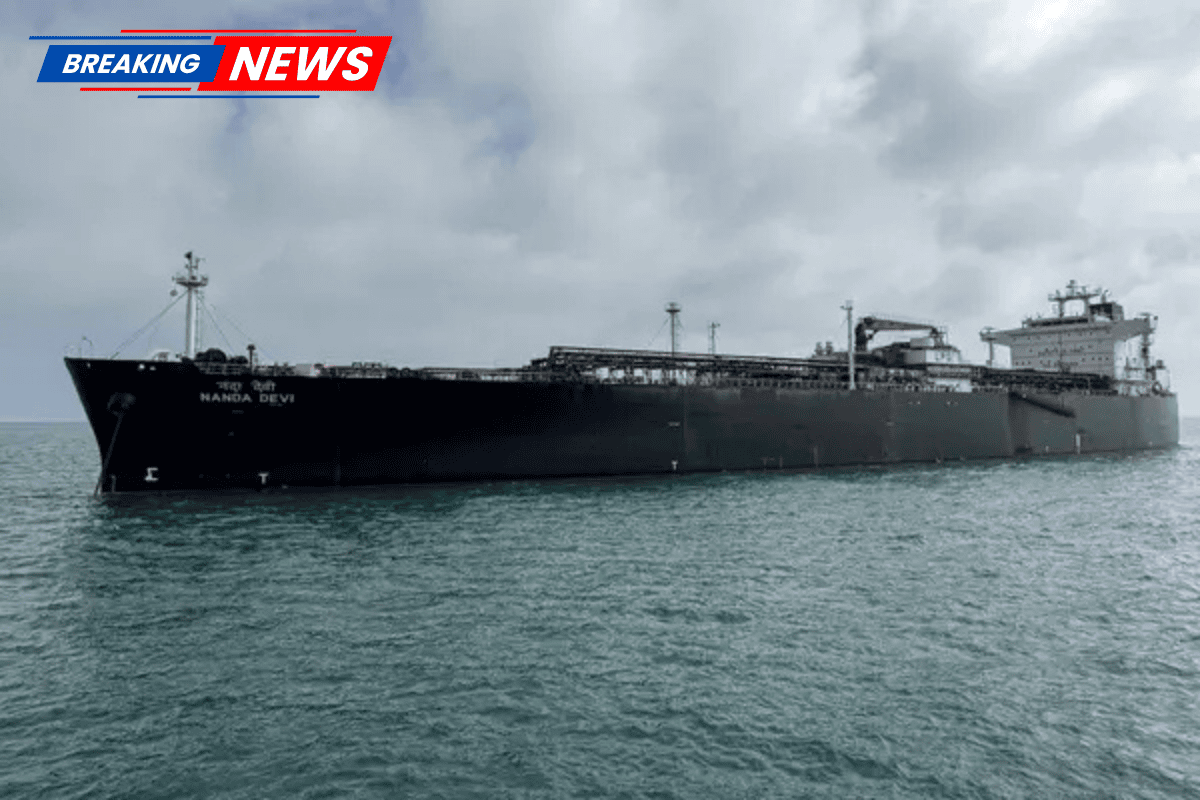
Trump insisted that countries benefiting from the Strait of Hormuz—through which 20% of the world’s oil passes—should help ensure its free passage. “It’s only appropriate that people who are the beneficiaries of the Strait will help to make sure that nothing bad happens there,” he told The Financial Times.
Trump also hinted that he could delay his summit with Chinese President Xi Jinping if NATO countries do not respond favorably to his call for action.
Despite this demand, Trump expressed skepticism about whether NATO allies would come to the U.S.’s aid, admitting to the Financial Times, “I’m not sure that they’d be there.”
The Threat of Iran and Global Impact

The current crisis stems from the U.S. and Israel’s recent military actions against Iran, which have severely crippled the Iranian military. However, Iran’s capability to disrupt shipping in the Strait of Hormuz remains significant.
Iranian Foreign Minister Abbas Araghchi has indicated that while some vessels are still allowed to pass, the Islamic Republic wields significant control over the waterway, with many tankers stuck in the Gulf due to the ongoing risks of attacks.
Oil prices have risen as a result of this standoff, and Wall Street has warned that the price of crude could hit $150 a barrel if the conflict escalates further.
Trump’s Strategy: Minesweepers, Commandos, and the U.S. Military

Trump has proposed that NATO assist with operations to reopen the Strait of Hormuz. Specifically, he suggested the use of minesweepers and special forces to clear the passage for commercial vessels.
While Iran’s navy has been decimated, its Islamic Revolutionary Guard Corps (IRGC) retains the ability to deploy mines and small attack boats, which pose a threat to shipping lanes.
The U.S. military has been reluctant to provide direct protection for commercial shipping, citing the extreme risks posed by mines and other Iranian military capabilities.
While NATO members like Britain and France have shown some interest in joining a naval mission, they have expressed skepticism about whether their current missions in the Red Sea can be expanded to the Strait of Hormuz effectively.
The Risk of Escalation
As the situation unfolds, defense experts warn that a naval escort mission in the Strait of Hormuz would require significant military resources, including more warships, air support, and possibly even ground forces.
Analysts like Jennifer Parker, founder of Barrier Strategic Advisory, have highlighted that any operation in the Strait would involve a rapid response to coastal launches, requiring special operations forces or Marines to neutralize Iranian threats.
In addition, the U.S. Navy’s shrinking minesweeping fleet complicates efforts to clear the Strait. The littoral combat ships designed for minesweeping are still untested in combat, and experts warn that mining the strait could paralyze commercial shipping without swift military intervention.
Diplomatic and Military Challenges
Despite Trump’s calls for NATO support, the international response has been tepid. The United Kingdom and members of the Gulf Cooperation Council have declared that they reserve the right to defend their security, but they have been cautious in their support for an expanded military mission in the Gulf.
Furthermore, Iran’s military threat, while severely weakened by U.S. and Israeli operations, remains potent. The U.S. and its allies are still trying to navigate how to protect shipping lanes without escalating the conflict into a full-scale war.
Analysts have raised concerns that without a de-escalation strategy, U.S. military actions in the Strait of Hormuz could lead to further Iranian retaliation.
As the situation in the Strait of Hormuz remains volatile, the future of global oil trade and regional stability hangs in the balance. President Trump’s appeal to NATO reflects the growing urgency of securing the waterway, but whether allies will contribute militarily remains uncertain.
Experts continue to stress that the U.S. and its partners must work diplomatically and strategically to avoid further escalation, especially given the risks posed by Iran’s asymmetric warfare capabilities.








‘Disgusting.’ Democratic senator condemns Donald Trump’s reaction to Mueller’s death