

In a move aimed at reducing soaring global oil prices, the U.S. Treasury has authorized the purchase of Iranian oil already at sea, temporarily exempting buyers from long-standing sanctions that have restricted Iran’s oil industry.
This policy shift comes amid the U.S.’s ongoing war with Iran and is designed to increase global oil supply while keeping prices from spiking further.
Treasury Authorization and Key Details
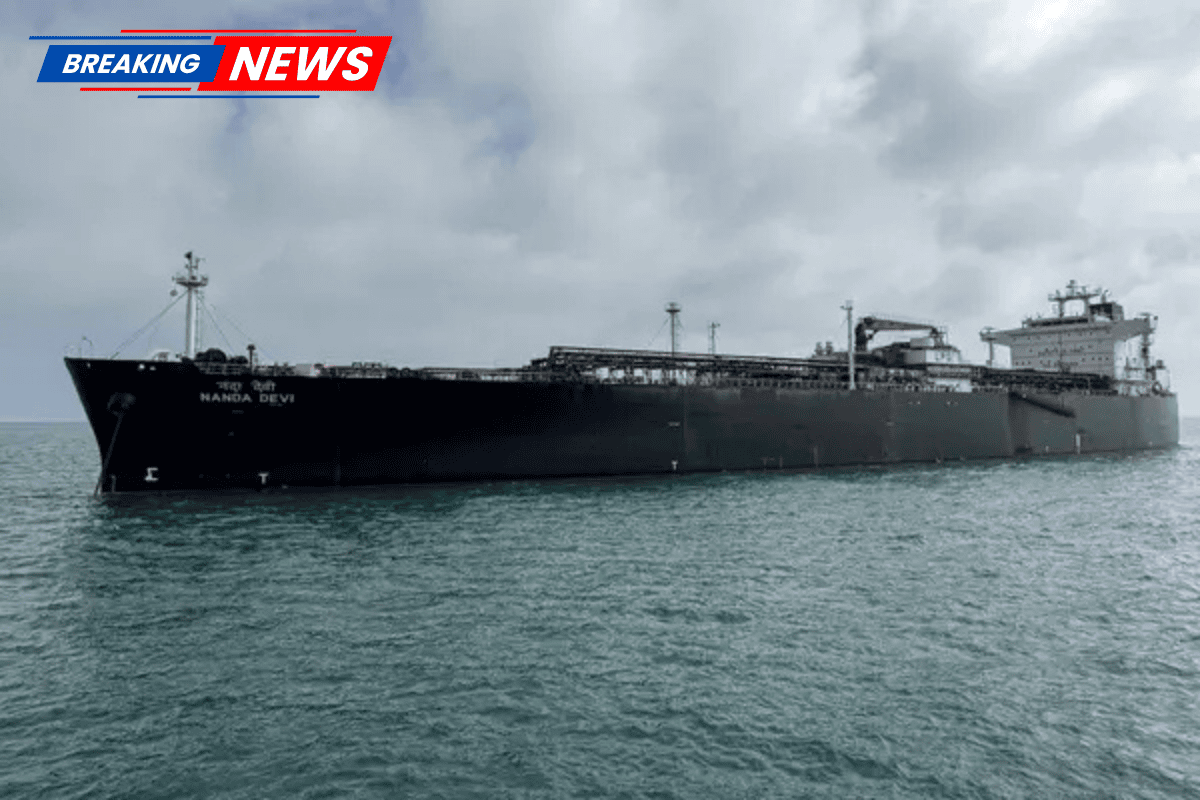
The sanctions license, which allows the purchase of Iranian oil already loaded onto ships by 12:01 a.m. ET on Friday, March 20, 2026, will remain in effect until April 19, 2026. However, the exemption does not apply to countries in North Korea, Cuba, or Russian-occupied parts of Ukraine.
Treasury Secretary Scott Bessent explained that the decision could release approximately 140 million barrels of oil that would otherwise have been “hoarded by China on the cheap.”
China, as the largest importer of Iranian oil, had been one of the primary beneficiaries of these restricted supplies. Bessent referred to this as a strategy to “use the Iranian barrels against Tehran” and alleviate the pressures on global oil supply caused by Iran’s actions.

In his statement, Bessent clarified that the U.S. would continue to enforce “maximum pressure” on Iran by preventing the country from accessing much of the proceeds from these oil sales.
“The United States will continue to maintain maximum pressure on Iran and its ability to access the international financial system,” he added.
Loosening of Sanctions: A Wartime Shift in Policy
This decision marks a significant shift in the U.S. administration’s stance towards Iran, moving away from the “maximum pressure” strategy that was implemented during President Trump’s first term.

The policy, which includes severe sanctions targeting Iran’s economy and energy industry, has sought to isolate Iran from the global market. However, with the escalation of war and the economic fallout from the conflict, the Biden administration has opted to loosen these sanctions temporarily to address rising oil prices.
This change follows a similar move last week when the U.S. also permitted the purchase of Russian oil that was already at sea. Like the Iranian oil reprieve, this decision is controversial, with critics arguing that such actions could inadvertently provide financial support to the Kremlin amid its ongoing invasion of Ukraine.
Criticism from Congress
The decision to ease sanctions on Russian and Iranian oil has sparked backlash from Congressional Democrats. Senate Minority Leader Chuck Schumer, along with several other Senate Democrats, condemned the move, arguing that it provides a financial boon to Russian President Vladimir Putin by opening new channels for evasion of sanctions.
They cautioned that these actions could enable Putin to sustain his war efforts in Ukraine, despite global efforts to stifle his economy.
“The new channels for evasion the President is opening, coupled with dramatically higher global energy prices, are giving Putin a huge financial boost and the means to continue his bloody war in Ukraine,” the Democrats stated in a joint statement.
Oil Supply and the Strait of Hormuz
The rise in oil prices has been exacerbated by disruptions in global oil shipping, especially through the Strait of Hormuz, a crucial chokepoint where roughly 20% of the world’s oil passes.
Fearing Iranian attacks, oil tanker operators have been avoiding the area, making it difficult for major Arab oil producers to export their petroleum. Despite these challenges, Iran has been able to continue its own oil exports through the Strait.
In response, President Trump has attempted several strategies to ease oil prices, including releasing 172 million barrels of oil from the U.S. Strategic Petroleum Reserve and allowing foreign ships to move oil between U.S. ports. However, prices remain near multiyear highs.
Potential Military Escalation
The U.S. has also considered military action to safeguard oil shipments. President Trump suggested offering military escorts for oil tankers passing through the Strait of Hormuz, though he emphasized that the U.S. should not be the sole country involved in any such operation, as the U.S. is no longer heavily reliant on Middle Eastern oil.
“If asked, we will help these Countries in their Hormuz efforts, but it shouldn’t be necessary once Iran’s threat is eradicated,” Trump wrote on Truth Social.
Meanwhile, the U.S. has already carried out military strikes on Iranian targets related to oil production. Last week, President Trump ordered strikes on military facilities on Kharg Island, Iran’s main oil export terminal.
Trump has also threatened to target oil-related infrastructure there if Iran interferes with shipping routes through the Strait.
Ongoing Tensions and Future Plans
As the situation continues to unfold, questions remain about how the U.S. will balance its policy towards Iran, oil supply pressures, and international relations. When asked about future plans for Kharg Island, President Trump remained tight-lipped, saying, “I can’t tell you that. Certainly a place that people are talking about, but I can’t tell you that.”










‘Disgusting.’ Democratic senator condemns Donald Trump’s reaction to Mueller’s death